Introduction
In today's globe, emergency situations can strike anytime, and being prepared is essential. Among the crucial abilities that can conserve lives is cardiopulmonary resuscitation (CPR). Young adults represent an essential populace that can be trained to respond effectively in emergency situations. By outfitting them with CPR training, we not only empower them with life-saving skills but additionally foster a society of readiness and obligation. This write-up explores the significance of CPR training for teenagers, what to anticipate in emergency treatment training courses, and just how these abilities add to their individual advancement and community safety.
Understanding CPR Training for Teens: Preparing the Future Generation for Emergencies
What is CPR?
Cardiopulmonary resuscitation (CPR) is a lifesaving strategy used during emergency situations when somebody's heartbeat or breathing has actually quit. It contains breast compressions and rescue breaths that assist maintain blood flow to crucial body organs till expert clinical assistance arrives. Recognizing the basics of CPR is crucial for teens that may discover themselves in emergency situation situations.
Why Do Teens Need CPR Training?
Teens are typically at celebrations, sports occasions, and even home celebrations where emergencies could take place. By discovering mouth-to-mouth resuscitation, they come to be aggressive participants of their neighborhood that can act decisively during situations. The capability to perform CPR confidently can transform a potentially tragic scenario into one where lives are saved.
Benefits of Emergency treatment Courses for Teens
First aid training courses do greater than simply show participants just how to supply prompt treatment; they impart self-confidence and strengthen analytical abilities. For teens, this experience can construct personality and motivate management high qualities.
- Empowerment: Expertise of first aid and mouth-to-mouth resuscitation encourages young people. Confidence Structure: Efficiently completing a training course provides teenagers with a feeling of achievement. Community Service: Educated teenagers can offer in different settings such as institutions or sports teams.
The Framework of CPR Courses for Teens
Course Duration and Format
Most emergency treatment training courses are designed to fit within a few hours to a couple of days, relying on the deepness of training supplied. Normally, a fundamental first aid course will cover:
- Theory: The principles behind first aid techniques. Practical Skills: Hands-on practice with mannequins or through simulations.
Key Components Covered in Emergency Treatment Courses
Understanding Emergency situation Situations- Recognizing when to require help Assessing the scene for safety
- Performing premium upper body compressions Providing rescue breaths correctly
- Learning just how to run an AED Importance of early defibrillation
- Techniques for adults, youngsters, and infants Recognizing indications of airway obstruction
- Cuts and scrapes Sprains and fractures
The Significance of Certification in Emergency Treatment Training
Obtaining Your First Aid Certificate
Completing a first aid course usually culminates in obtaining an accreditation that confirms your skills. This certificate offers numerous objectives:
- It demonstrates skills in emergency situation response. Many companies need qualification for participation in specific events.
Keeping Certifications Current
Just like any kind of life ability, it is https://privatebin.net/?9d0b4acbce1a5b63#5oAuP3UuYBQWL7GSQ7Y8Szv5pwr8wiWffrhuBqNFnVeM necessary to keep your expertise up-to-date. Most organizations advise renewing certifications every two years.
How Young adults Can Get Involved with Emergency Treatment Training
Finding Local First Aid Courses
Teenagers thinking about obtaining their first aid certification should explore local recreation center, institutions, or health and wellness companies that use certified courses.

Helpful Resources:
- American Red Cross St John Ambulance Local health centers or health departments
Online vs In-Person Training Options
With advancements in innovation, online modules have ended up being prominent yet may lack hands-on technique essential for absolutely grasping strategies. A combined method-- integrating on the internet concept with functional sessions-- may be most beneficial.
Creating Awareness Among Peers concerning CPR Educating for Teens: Preparing the Next Generation for Emergencies
Peer Education and learning Initiatives
Encouraging teens to share what they've discovered with their pals can amplify the impact of training programs:
- Forming study groups focused on emergency situation preparedness. Hosting workshops at schools or community centers.
Using Social Media as a Platform
Teens today are greatly engaged on social media platforms; using these channels can assist spread recognition regarding the value of first aid training amongst peers.

Real-Life Stories That Emphasize the Value of CPR Educating for Teens
Case Study 1: Saving a Life at School Sports Event
A young adult learnt mouth-to-mouth resuscitation had the ability to conserve their good friend's life during a soccer match when he fell down on the field because of heart attack. Their quick thinking enabled them to administer appropriate chest compressions up until emergency situation solutions arrived.
Case Study 2: Family Emergency Situation at Home
Another instance included siblings https://telegra.ph/How-to-Get-ready-for-Your-Forthcoming-CPR-Training-Procedure-06-11 that had actually taken an emergency treatment course with each other. When their more youthful bro unintentionally choked on food during dinner, they promptly knew what actions to take since they remembered their training-- leading them efficiently with the emergency.
Frequently Asked Questions (Frequently Asked Questions) Concerning Teenager Mouth-to-mouth Resuscitation Training
1. What age ought to teenagers start taking mouth-to-mouth resuscitation courses?
A lot of organizations suggest beginning as early as 12 years old; nevertheless, more youthful children can also learn standard ideas through proper programs customized to their age group.2. The length of time does it take to complete an emergency treatment course?
Programs normally vary from 4 hours approximately 16 hours depending on web content depth-- the standard being around 8 hours.3. Exist any type of prerequisites prior to enrolling?
No official prerequisites exist; nevertheless, it's practical if individuals have an understanding of standard medical terms.4. Will certainly I obtain accreditation after completing my course?
Yes! Upon effective completion and passing any needed analyses you'll obtain an official emergency treatment certificate valid for two years.5. Can I take these courses online?
Many institutions supply hybrid formats combining on-line theory with called for useful sessions held in person-- this is advised by sector standards. 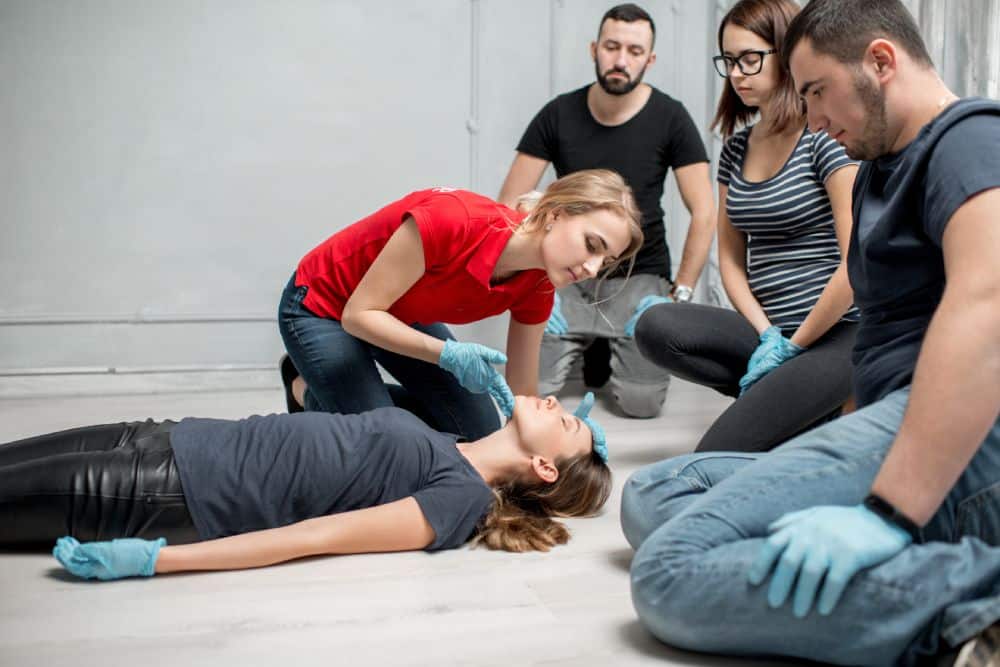
6. Is it needed to renew my qualification periodically?
Yes! Routine recertification guarantees your skills stay proficient and updated according to present guidelines.
Conclusion
In final thought, gearing up teenagers with understanding regarding cardiopulmonary resuscitation (CPR) through specialized training programs is important not only for their development yet likewise improves neighborhood security generally. With reliable training resources offered-- from neighborhood training courses using extensive instruction on both basic first aid methods along with sophisticated life assistance techniques-- it's less complicated than ever before for young people anxious concerning making an impactful distinction throughout emergencies!
As we progress into an unforeseeable world loaded with challenges needing quick action-- let us invest our efforts towards enlightening this future generation https://pastelink.net/xqga5ymy so they're prepared not just academically yet additionally almost geared up when encountered versus real-life circumstances demanding immediate responses like those needing prompt interventions such as carrying out effective cardiopulmonary resuscitation (MOUTH-TO-MOUTH RESUSCITATION).